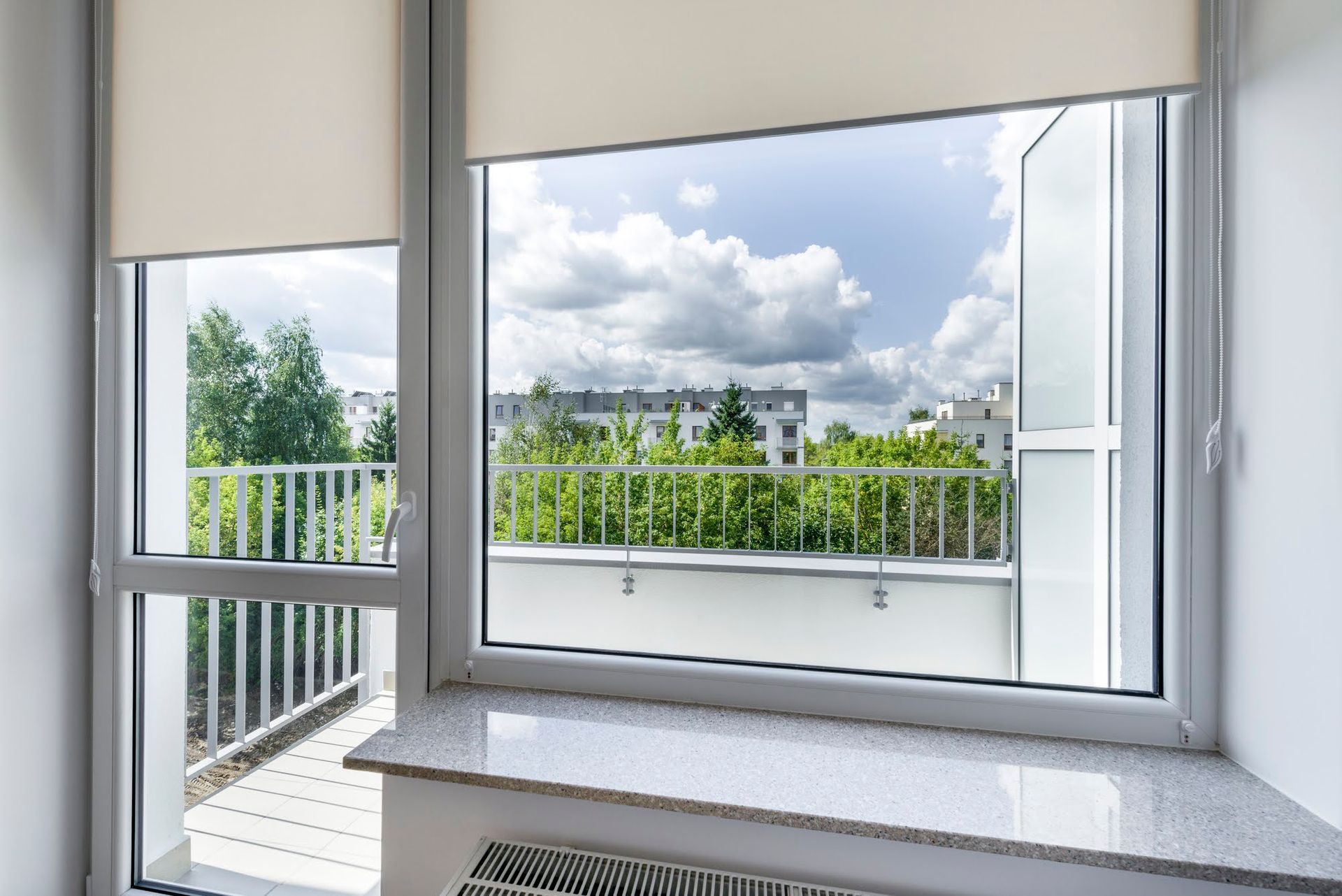
Financial Benefits of Apartment Living
The decision to rent an apartment rather than buy a home is often treated as a temporary choice before eventually settling into ownership. But for many people, renting is a deliberate financial choice in its own right. The upfront costs are considerably lower than those of homeownership, and the financial case for apartment living holds up well when examined carefully.
Lower Upfront Costs and Monthly Predictability
Getting into an apartment costs far less up front than buying a home. That difference has real implications for what a person can do with the capital that does not go into a down payment.
The Cost to Start
Buying a home requires a substantial down payment before any other costs come into play. Closing fees add another significant layer on top of that. For many people, accumulating that kind of capital takes years. Renting generally requires a security deposit and first month's rent, which is a manageable barrier for a much wider range of households. The capital that stays in a renter's pocket can be directed toward savings or kept available for other financial priorities.
Stable Monthly Housing Costs
A mortgage payment can change over time depending on interest rate conditions, and homeowners also carry ongoing expenses that renters do not, including property taxes. Rent, by contrast, is fixed for the length of the lease. That consistency makes budgeting straightforward and removes the uncertainty that comes with variable ownership costs.
Maintenance Costs and What Renters Avoid
Owning a home means owning every problem it develops. A failing appliance or a structural issue falls on the homeowner to address, and those costs can arrive without any warning.
No Repair Bills for Residents
When something breaks in a well-managed apartment community, the property management team takes responsibility. Over the course of a year, not carrying that maintenance burden represents a meaningful reduction in housing-related financial exposure.
Professional Management as a Financial Benefit
Luxury apartments and professionally managed communities go further, with on-site teams that respond promptly and maintain the property consistently. Residents receive reliable service without absorbing the unpredictable repair costs that come with ownership. What might be an emergency expense for a homeowner is simply a service request for a resident.
Flexibility and the Financial Value of Mobility
Renting offers something that owning cannot easily match: the ability to move when circumstances shift without a complicated financial transaction involved.
Lower Cost of Relocation
Selling a home takes time and involves real costs, from agent fees to closing expenses on the sale side. It also depends on market conditions that the seller cannot control. A renter who needs to move can do so at the end of a lease with considerably less friction. That ease of relocation is not just a lifestyle feature; it has direct financial value.
The Ability to Follow Opportunity
Being able to move quickly for a better job or to a lower cost-of-living area gives renters a degree of agility that homeowners typically cannot match.
For people in fields with mobile career paths, or anyone whose personal circumstances are likely to change, the ability to act on a better financial situation without being anchored to a property is genuinely valuable.
Shared Amenities and Reduced Additional Costs
Many apartment communities include amenities that would require separate spending for a homeowner or renter elsewhere.
Included Features That Replace Individual Expenses
Fitness facilities and shared outdoor spaces are often included in the rent at well-managed communities, alongside building maintenance that a homeowner would handle separately.
For residents, those inclusions represent everyday value that does not appear as a line item on their monthly expense list.
Lower Overhead for Day-to-Day Living
Apartment living also tends to reduce the smaller overhead costs that accumulate with homeownership. Lawn care and exterior upkeep are typically managed at the community level, with residents benefiting without bearing any of the cost or time those tasks require.
Predictable Tax Exposure
One of the less-discussed financial advantages of renting is the relationship with property taxes.
No Direct Property Tax Liability
Homeowners pay property taxes directly, and those amounts can change as assessed property values shift. Renters have no direct property tax liability. Whatever tax-related costs a landlord carries may factor into rent pricing over time, but the renter does not manage or absorb that exposure directly.
Simpler Annual Financial Planning
Without property ownership, there are fewer tax-related variables to track from year to year. That simplicity benefits renters who want their financial picture to remain as clear and manageable as possible.
Investment Potential and the Opportunity Cost Question
A common point raised in favor of homeownership is building equity. That is worth taking seriously. But it is also worth thinking about what happens to capital that is not committed to a down payment.
Liquid Capital and Financial Flexibility
Money that stays accessible can be directed toward savings or invested in ways that align with personal goals. Equity is one path to financial growth, but it carries exposure to housing market conditions that renters do not share. It is not the only way to build a strong financial position over time.
Renting as a Long-Term Strategy
The comparison between renting and buying is more nuanced than it is often presented. Renters who put their saved capital to deliberate use often find that apartment living supports a strong financial position over the long term. The key is intentionality, not the tenure arrangement itself.
Apartment living offers real financial advantages at every stage of life, and the right community adds to that value in ways that go beyond the monthly rent. Reach out to our team today to learn more about what our community has to offer.
Frequently Asked Questions
Does renting mean I am wasting money each month?
Renting pays for housing, which is a real and necessary expense. Ownership also involves costs that do not build equity, including mortgage interest and property taxes, so the comparison is less straightforward than the common framing suggests.
Can renters build financial strength without owning property?
Yes, and many do through consistent saving and deliberate use of the capital that stays available to them.
What should renters expect at lease renewal?
Rent adjustments at renewal are possible and worth building into longer-term financial planning. The degree of change depends on local market conditions and the community's policies. Asking about multi-year lease options is one practical way to secure more stability, and it is worth raising that conversation before the renewal window arrives.
Is there value in renting from a professionally managed community versus an individual landlord?
Generally, yes. Professional management typically means faster maintenance response and more consistent upkeep of the property, both of which affect the overall value residents receive for what they pay.
Is renting a reasonable long-term financial choice?
For many people, yes. The financial case for long-term renting depends on how deliberately a person manages the advantages that renting makes available. It works best when approached with the same intentionality as any other financial decision. Many people build stable, strong financial positions while renting for extended periods.